


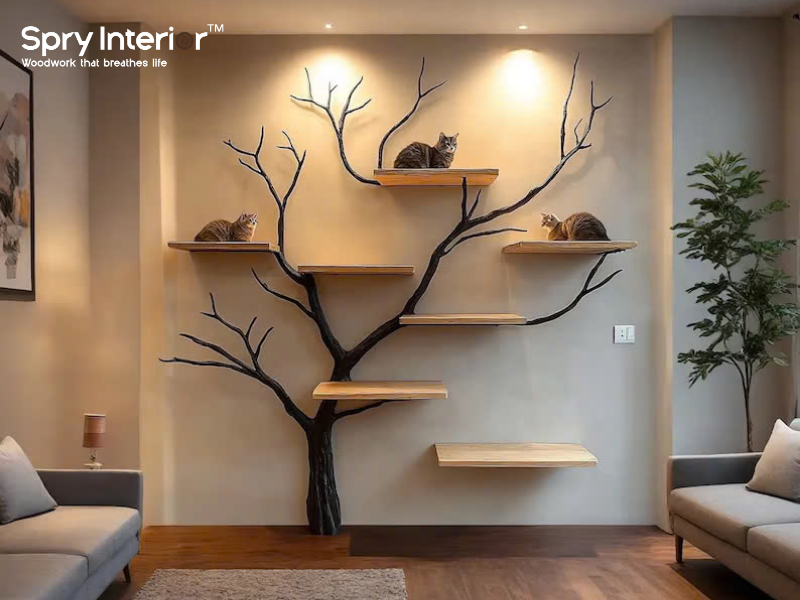
Which big cats climb trees is a question that fascinates wildlife lovers, cat owners, and anyone curious about how power and agility coexist in nature. From dense rainforests to open savannas, climbing is not just a playful behavior-it is a survival skill that shapes how big cats hunt, rest, and protect themselves. Understanding which species climb, why they do it, and how this instinct shows up in domestic cats gives us a deeper appreciation of feline behavior and why vertical space matters so much in our own homes.
Tips for Installing Wall Tree Bookshelves | Easy Wall Tree Shelf Setup | Best Tree Bookshelf 2025
1. Why Tree Climbing Matters in the Big Cat World
Tree climbing is not a random talent. It plays a critical role in how many big cats live and thrive.
Survival Through Elevation
For many big cats, climbing offers safety. Elevation allows them to escape ground-based threats, avoid conflicts with rivals, and find secure resting spots away from danger. Trees provide both concealment and a strategic vantage point.
Hunting Advantages From Above
Climbing enables ambush hunting. From a branch, a cat can observe prey movements without being detected, conserving energy until the perfect moment. This behavior highlights how climbing is deeply connected to hunting success.

Resting and Territory Observation
Big cats often rest in trees to stay cool, avoid insects, and survey their surroundings. Height offers visibility, helping them monitor territory boundaries and potential intruders without constant movement.
2. Which Big Cats Are Natural Tree Climbers
Not all big cats climb equally, but several species are surprisingly adept.
Leopards: Masters of the Canopy
Leopards are widely regarded as the most skilled climbers among big cats. Their relatively lighter build, powerful forelimbs, and exceptional balance allow them to scale trees effortlessly. They are famous for hauling prey heavier than themselves into branches to protect it from scavengers.
Jaguars: Strength Meets Vertical Skill
Jaguars are heavier than leopards, yet they are also capable climbers. While they spend more time on the ground or near water, jaguars climb trees to rest, observe territory, or reach prey. Their climbing ability answers the broader question of which big cats can climb trees, proving that size does not always limit agility.

Buy now: Rustic Natural Solid Wood Cat Tree Wooden Stand Naturally Gift Cat
Lions and Tigers: Occasional Climbers
Lions are not known for frequent climbing, but younger or more agile individuals can climb low-branching trees, especially in certain African regions. Tigers, despite their size, can climb when needed-particularly cubs and juveniles-although they prefer ground-based movement and swimming.
3. What Big Cats Can Climb Trees-and Why Some Don’t
Understanding differences among species helps explain why climbing varies.
Body Structure and Weight Distribution
Climbing efficiency depends heavily on body proportions. Cats with more flexible spines, longer tails for balance, and stronger forelimbs are better suited for vertical movement. Heavier species face more physical limitations, even if they possess the strength to climb short distances.
Habitat and Environmental Pressures
Cats living in forested environments evolve stronger climbing behaviors than those in open plains. Dense tree cover encourages vertical movement, while open habitats reduce the need for climbing. This distinction helps clarify what big cats can climb trees regularly versus those that do so only occasionally.

Behavioral Priorities and Hunting Style
Some species rely more on stealth and ambush from the ground, while others benefit from elevated positions. Climbing is favored when it offers a clear survival or hunting advantage, not simply because it is possible.
4. How Big Cat Climbing Instincts Appear in Domestic Cats
The behaviors we see in big cats are echoed in our pets at home.
The Shared Instinct to Go Vertical
Domestic cats retain the same instinct to climb, perch, and observe from above. This is not learned behavior-it is inherited from their wild ancestors. Vertical movement helps cats feel safe, confident, and mentally stimulated.
Why Climbing Reduces Stress in Cats
Height gives cats control over their environment. When they can climb, they are less likely to feel threatened, leading to calmer behavior and fewer stress-related issues in multi-pet households.

Translating Wild Behavior Into Home Design
Providing vertical structures in the home respects this natural instinct. Choosing the best cat tree for climbers means acknowledging that climbing is not optional for cats-it is essential to their well-being.
5. Why Choosing SpryInterior Is the Best Option
Understanding climbing behavior naturally leads to how we design spaces for cats indoors-and this is where SpryInterior stands out.
Designs Inspired by Natural Feline Movement
SpryInterior creates products that reflect how cats actually move and rest in nature. Their designs emphasize vertical flow, stability, and balance, mirroring the tree-climbing behaviors seen in big cats.
Blending Function With Sophisticated Design
Unlike standard pet furniture, SpryInterior integrates cat structures seamlessly into modern interiors. Their pieces do not feel like add-ons but like intentional parts of the home’s design.

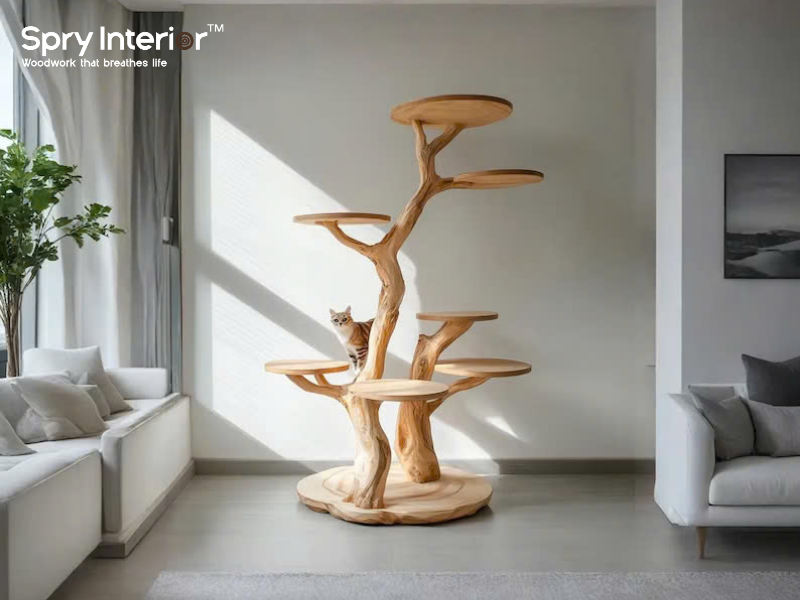
Buy now: Scandinavian Cat Tree Multi-Level Climbing Shelf For Modern Interiors
Built for Climbers, Designed for Homes
SpryInterior focuses on structural integrity and thoughtful spacing, ensuring that climbers feel secure at every level. This approach supports feline instincts while maintaining elegance and durability for everyday living.
6. Conclusion
Exploring which big cats climb trees reveals how deeply climbing is woven into feline nature. From leopards resting in branches to domestic cats seeking the highest shelf, this behavior is about safety, confidence, and control. Recognizing these instincts helps us create better environments for the cats we live with. With carefully crafted designs like SpryInterior's Cat Tree Tower, SpryInterior bridges the gap between wild behavior and modern living-honoring the natural need to climb while elevating the style and harmony of the home.


Leave a comment
This site is protected by hCaptcha and the hCaptcha Privacy Policy and Terms of Service apply.