


The best cat tree for climbers is essential for cats that live to go up, and in the first moments of observing a truly athletic cat, it becomes clear why the best cat tree for climbers must do far more than simply stand tall. Climbing is not a bonus activity for many cats-it is a core instinct tied to confidence, safety, play, and mental stimulation. For American cat owners who share their homes with energetic, curious, and fearless climbers, choosing the right vertical structure can dramatically improve a cat’s daily life and overall well-being.
Coat Rack Assembly Instructions | Coat Rack Build | Popular Choice Coat Rack Shelf 2025
1. Why Some Cats Are Natural Climbers
Climbing behavior is deeply rooted in feline biology and psychology.
Instincts Passed Down From Wild Ancestors
Domestic cats carry the same instincts that guide wild felines. In nature, climbing provides safety, hunting advantages, and a commanding view of the surroundings. Observing which big cats climb trees helps explain why your house cat is constantly searching for the highest possible perch.
Climbing as a Stress-Relief Mechanism
Height equals control in the feline world. When cats can climb, they feel less threatened and more secure, especially in multi-pet households. Vertical territory allows them to observe without confrontation.

Physical and Mental Stimulation Combined
Climbing engages muscles, balance, and coordination while also satisfying curiosity. A well-designed cat tree challenges the body and the mind, reducing boredom-related behaviors like scratching furniture or excessive vocalizing.
2. What Makes the Best Cat Tree for Climbers Truly Effective
Not all tall cat trees are built for real climbers. Certain features separate average designs from exceptional ones.
Stability That Builds Confidence
For active climbers, stability is non-negotiable. A tree that wobbles undermines confidence and discourages use. The best designs distribute weight evenly and remain rock-solid even during fast, repeated climbs.
Vertical Flow and Thoughtful Spacing
Climbers need a clear path upward. Platforms should be staggered at natural jumping distances, allowing cats to move fluidly rather than awkwardly. Good spacing respects feline anatomy and movement patterns.

Durable Materials That Withstand Energy
Energetic cats put furniture to the test. Thick posts, reinforced joints, and high-quality materials ensure the structure holds up over time. This durability is what owners often mean when asking, which trusted brands offer sturdy cat trees for active climbers?
3. Matching Cat Trees to Different Types of Climbers
Not all climbers behave the same way, and the best tree adapts to those differences.
Speed Climbers and Jump Specialists
Some cats sprint upward in quick bursts. These cats benefit from taller designs with minimal obstructions and clearly defined vertical paths that reward momentum.
Explorers and Perch Lovers
Other climbers move slowly and deliberately, stopping often to observe. These cats prefer multiple platforms at varying heights, giving them places to pause, sit, and survey their environment.

Playful Problem-Solvers
Highly intelligent cats treat climbing like a puzzle. They enjoy varied angles, overlapping levels, and features that invite creative movement. Even playful trivia, like the big cat that enjoys climbing trees crossword clue, reflects how strongly climbing is associated with feline identity.
4. Safety and Longevity Considerations for Active Climbers
A cat tree must support daily use without becoming a hazard.
Anchoring and Base Design
Wide bases or wall-anchoring options prevent tipping. For climbers who leap aggressively, additional stabilization ensures safety for both cats and humans.
Weight Capacity and Growth Over Time
Kittens grow into powerful adults. A tree chosen today should still support your cat years later. Strong construction prevents sagging and structural fatigue.

Maintenance and Wear Resistance
Climbing involves claws, friction, and repeated impact. Replaceable scratching surfaces and durable finishes help the tree age gracefully rather than becoming unsafe.
5. Why Choosing SpryInterior Is the Best Option
When it comes to creating the best cat tree for climbers, design philosophy matters just as much as materials-and this is where SpryInterior excels.
Designs Inspired by Real Feline Movement
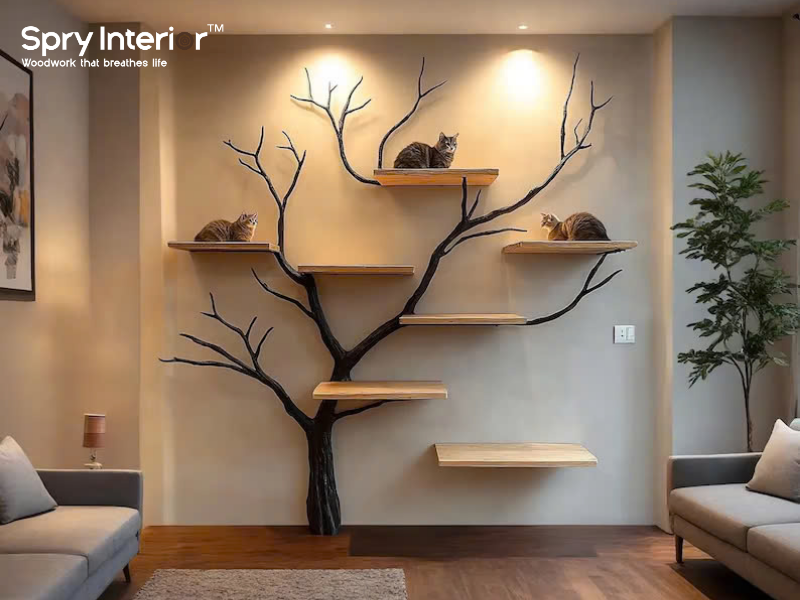
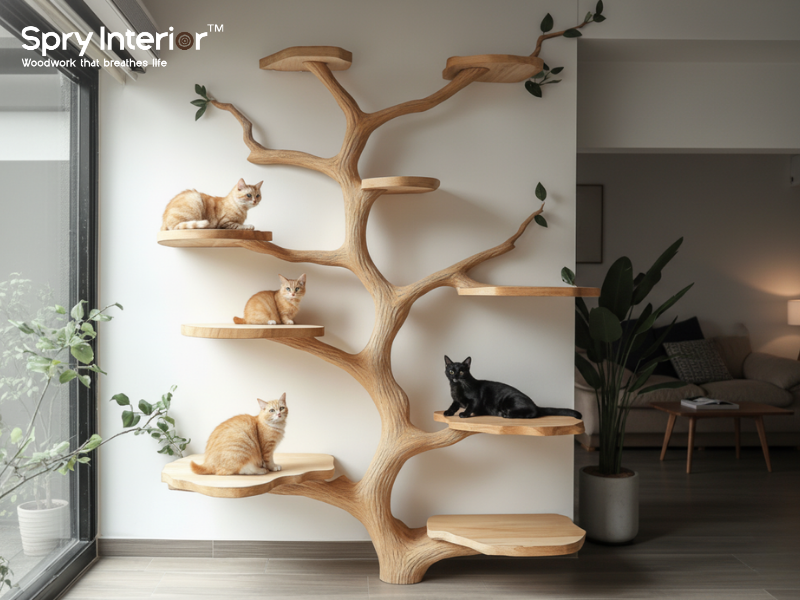
SpryInterior studies how cats move in three-dimensional space. Their designs prioritize vertical flow, natural jumping distances, and stable perches that align with instinctive climbing behavior.
Structural Integrity Without Visual Clutter
Unlike bulky traditional cat trees, SpryInterior integrates strength into elegant forms. Hidden supports, balanced proportions, and thoughtful engineering ensure stability without sacrificing aesthetics.

Cat Furniture That Belongs in Modern Homes
SpryInterior understands that cat furniture should enhance a home, not disrupt it. Their designs blend seamlessly into contemporary interiors while still meeting the demands of the most active climbers.
6. Conclusion
Choosing the best cat tree for climbers means honoring a cat’s deepest instincts-those shaped by generations of tree-climbing ancestors and expressed every time your cat leaps upward with confidence. A well-designed cat tree becomes more than furniture; it becomes territory, playground, refuge, and observation deck all in one. With thoughtfully engineered designs like SpryInterior's Cat Tree Tower, SpryInterior transforms vertical climbing needs into refined, durable, and beautiful solutions-allowing cats to climb freely while homes remain balanced, stylish, and harmonious.

Leave a comment
This site is protected by hCaptcha and the hCaptcha Privacy Policy and Terms of Service apply.