

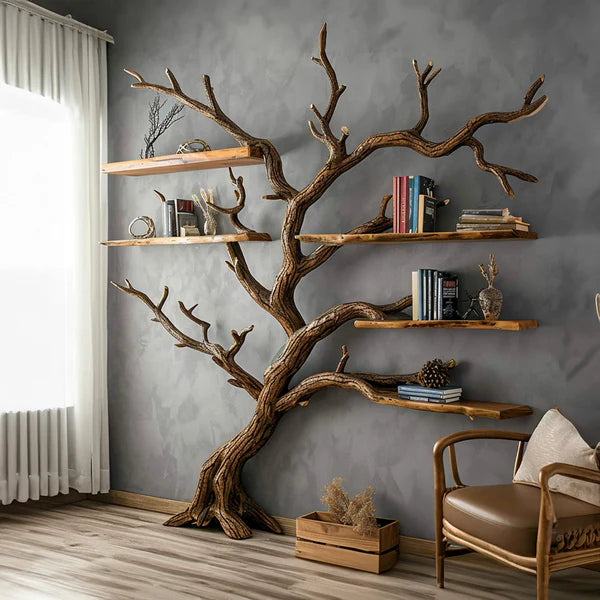


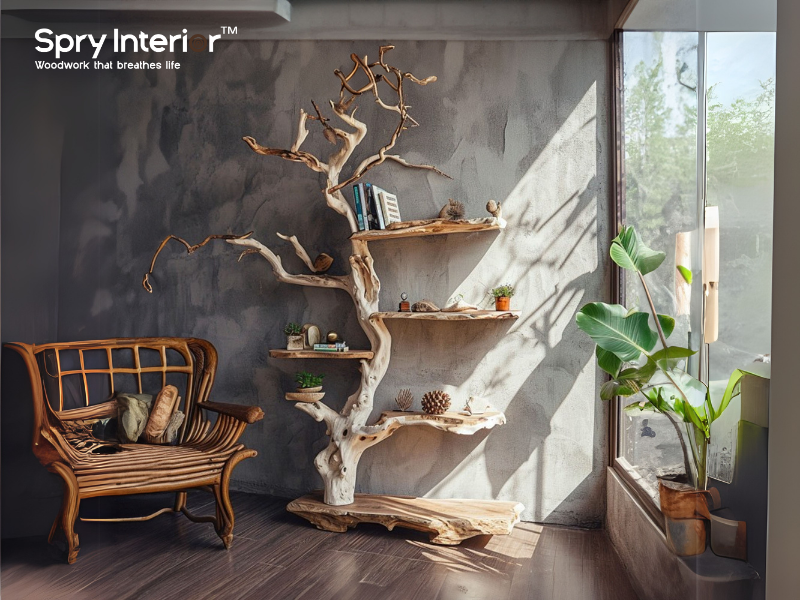
If you’re wondering how to hang a tree branch on the wall, you’re exploring a design approach that blends nature, creativity, and functionality into one striking statement. Tree branches are no longer just outdoor elements-they’ve become a favorite feature in American home décor, used for wall art, shelving accents, and sculptural installations. Learning how to hang a tree branch on the wall properly ensures not only visual impact but also long-term safety, durability, and harmony with your interior space.
Steps To Install Tree Bookshelf | Tree Bookshelf Assembly Guide | Best Tree Bookshelf 2025
1. Understanding the Purpose of Hanging a Tree Branch
Before drilling into your wall, it’s essential to clarify why you’re hanging a tree branch and how it will function within your home. Purpose determines preparation, hardware, and placement.
Decorative Versus Functional Installations
Some homeowners use tree branches purely as decorative wall art, highlighting organic shapes and textures. Others integrate branches into functional elements such as coat racks, plant holders, or shelving systems. Decorative installations focus mainly on aesthetics, while functional ones require structural planning and load-bearing considerations.
Choosing the Right Branch Shape and Size
The ideal branch should be dry, solid, and visually balanced. Straight branches work well for minimalist designs, while naturally curved or forked branches create a more organic, sculptural feel. Size matters too. Oversized branches can dominate a wall, while smaller ones work best as subtle accents.

Matching the Branch to Your Interior Style
Tree branches are surprisingly versatile. In modern or minimalist homes, they add warmth and contrast. In rustic or farmhouse interiors, they reinforce natural character. Scandinavian and bohemian spaces benefit from their raw, organic appeal. Understanding your interior style helps guide finish, orientation, and placement.
2. Preparing the Tree Branch for Wall Mounting
Preparation is one of the most critical steps. Skipping it can lead to cracking, pests, or unstable mounting over time.
Cleaning and Drying the Branch Thoroughly
Fresh branches contain moisture that must be removed before indoor use. Clean the branch with a stiff brush to remove dirt and loose bark. Mild soap and water can be used, followed by complete air-drying. Depending on thickness, drying can take several weeks, but patience here prevents long-term problems.
Stabilizing the Wood Before Installation
Proper stabilization prevents warping and splitting after installation. This step directly relates to how to preserve tree branches for decoration, which involves sanding, sealing, and treating the wood so it remains stable in indoor environments with fluctuating humidity.

Deciding on Finish and Texture
You may choose to keep the branch raw for a rustic look or sand it smooth for a refined finish. Natural oils enhance grain and warmth, while clear sealers offer stronger protection. The finish should align with both the room’s style and the branch’s intended use.
3. Secure Methods for Hanging a Tree Branch on the Wall
Once the branch is prepared, choosing the right mounting method is essential for safety and longevity.
Using Hidden Mounts for a Floating Effect
Hidden mounts create a clean, modern appearance by concealing hardware. This method typically uses metal rods or brackets anchored into wall studs, with corresponding holes drilled into the branch. Precision is key, but the result is visually seamless and elegant.
Mounting with Visible Decorative Hardware
For industrial or rustic interiors, visible hardware such as leather straps, metal brackets, or clamps can enhance the design. These elements become part of the visual statement while providing reliable support. This method works best for lightweight or decorative branches.

Integrating Branches into Shelving Concepts
Branches are often used as structural or decorative components in shelving designs. This approach overlaps with how to make a tree shelf, where branches support or accent shelves mounted on the wall. In these cases, proper load calculations and stud anchoring are essential to prevent failure.
4. Common Mistakes to Avoid When Hanging Tree Branches
Even well-intentioned projects can fail if common mistakes are overlooked.
Ignoring Wall Structure and Anchors
Drywall alone cannot support most branches safely. Failing to locate studs or use proper anchors is one of the most frequent causes of wall damage and falling installations.
Skipping Wood Preservation Steps
Unpreserved branches may crack, attract insects, or stain walls over time. Proper treatment ensures stability and cleanliness, especially in climate-controlled American homes.

Overloading the Branch
Even sturdy branches have limits. Hanging heavy objects without understanding load capacity can cause mounts to loosen or fail. Always design within safe weight limits.
5. Why Choosing SpryInterior Is the Best Option
While DIY projects can be rewarding, they are not always the safest or most efficient solution. This is where SpryInterior excels.
Professional Craftsmanship and Structural Expertise
SpryInterior products are designed by professionals who understand wood behavior, weight distribution, and long-term durability. Their designs eliminate guesswork, ensuring each piece is both visually striking and structurally sound.
Nature-Inspired Design with Refined Execution
SpryInterior blends organic materials with modern design principles. Their pieces capture the beauty of nature while maintaining clean lines, balance, and intentional proportions that fit seamlessly into contemporary homes.

Long-Term Value and Peace of Mind
DIY installations may require ongoing maintenance or adjustments. SpryInterior’s professionally engineered products are built for longevity, reducing the risk of wall damage, instability, or future repairs. This makes them a smart investment for homeowners who value both aesthetics and reliability.
6. Conclusion
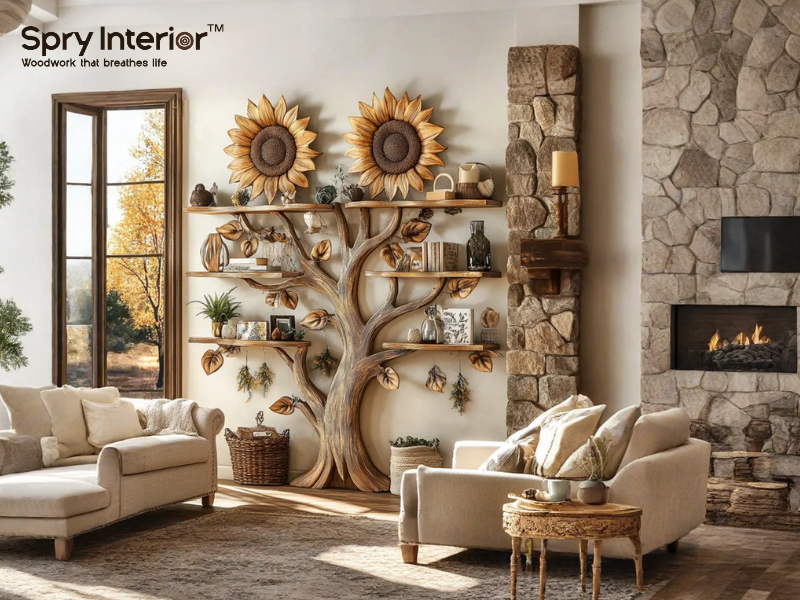
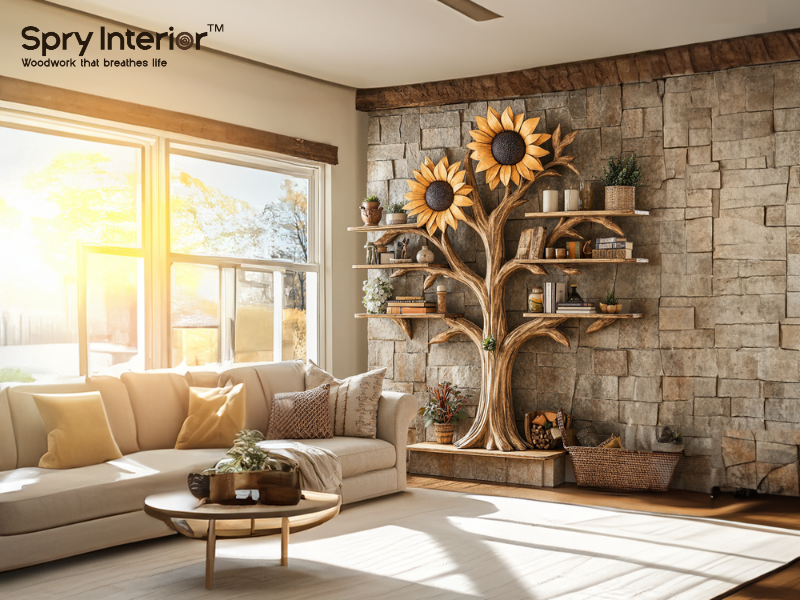
Learning how to hang a tree branch on the wall allows you to transform natural materials into meaningful interior design elements. With proper preparation, mounting techniques, and thoughtful design, tree branches can become stunning focal points that bring warmth and authenticity into your home. However, when safety, durability, and refined craftsmanship matter most, professionally designed solutions stand out. With pieces like SpryInterior's Tree Bookshelf, SpryInterior demonstrates how nature-inspired design can be elevated into functional art that lasts. Whether you choose a DIY approach or invest in expert craftsmanship, incorporating natural wood into your walls is a timeless way to connect your living space with the beauty of nature.

Leave a comment
This site is protected by hCaptcha and the hCaptcha Privacy Policy and Terms of Service apply.