


Late winter has a certain restlessness to it. The trees outside are still quiet, the light is just starting to stretch longer each afternoon, and yet something inside you is ready for growth. This is the perfect moment to turn inward-to your home-and let it bloom. Styling a vertical jungle is about more than adding greenery; it’s about creating layers, movement, and a living rhythm that brings the calm energy of nature indoors.
This guide is designed to help you grow plants indoors with intention, using solid wood furniture as the foundation for a lush, vertical landscape. Inspired by natural forests and handcrafted design, we’ll show you how to transform walls, corners, and shelves into a living sanctuary that evolves with the seasons.
1. Understanding the Concept of a Vertical Jungle
What a Vertical Jungle Really Means
A vertical jungle isn’t about cluttering your space with plants-it’s about using height and structure to mimic how nature grows. In a forest, plants don’t spread evenly across the ground; they climb, trail, stack, and reach for light. Indoors, vertical styling allows you to achieve that same layered effect without sacrificing floor space.
By building upward, you create visual depth and a sense of immersion. The eye moves naturally from the grounding base to lighter, trailing elements above, giving your room a calm but dynamic presence.
Why Vertical Styling Works So Well Indoors
Most homes have limited natural light zones and valuable square footage. Vertical plant styling solves both problems. Shelves and tall furniture let you position plants closer to windows, while also turning blank walls into living features.
Beyond practicality, vertical greenery changes how a room feels. It softens hard lines, absorbs sound, and introduces organic movement-especially when leaves catch the light or shift slightly with airflow.

The Role of Natural Materials in Plant Styling
Plants thrive best when paired with materials that feel natural, not synthetic. Real wood complements greenery in a way that metal or plastic never can. The grain, warmth, and subtle imperfections of solid timber echo the environments plants evolved in, creating a more harmonious setting for growth.
2. Building Your Indoor Forest with Tree Bookshelves
Creating Canopy Layers from Floor to Ceiling
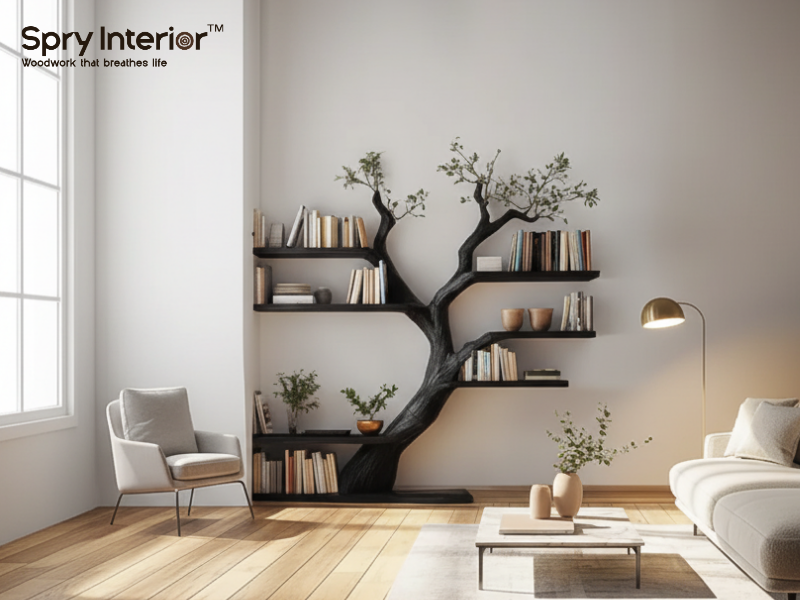
A tree bookshelf is more than storage-it’s a vertical landscape. Think of it like a forest cross-section. The lower shelves act as the forest floor, while the upper tiers become branches reaching toward light.
Place heavier items like books or ceramics at the base to visually ground the piece. As you move upward, transition to lighter décor and plants. This natural progression makes the entire structure feel balanced and intentional.
Styling Trailing and Upright Plants Together
The magic of a vertical jungle comes from contrast. Upright plants like snake plants or small fiddle-leaf figs provide structure, while trailing plants such as pothos or philodendron add softness and motion.

Let trailing plants weave gently through the upper “branches” of a tree bookshelf. Over time, they’ll grow into the structure itself, blurring the line between furniture and foliage.
Balancing Functionality and Organic Beauty
A well-styled vertical jungle should still support everyday living. Tree bookshelves allow you to mix practical storage with plant styling, so your space feels lived-in, not staged.
The key is restraint. Leave breathing room between objects, allow negative space, and let each plant have its moment. Nature never rushes, and your styling shouldn’t either.
3. Designing a Floating Garden with Wall-Mounted Shelves
Turning Blank Walls into Living Corners
Floating shelves are ideal for creating a garden where none existed before. A bare wall or unused corner can quickly become a focal point with just a few well-placed shelves and plants.
By staggering shelves at different heights, you encourage the eye to move upward and outward, creating the illusion of a larger, more immersive space.
Choosing the Right Plants for Floating Displays
Not all plants are suited for wall-mounted styling. Lightweight, trailing, or compact plants work best-think ivy, string-of-hearts, small ferns, or air plants.
These plants don’t just sit on shelves; they interact with them. Leaves spill over edges, soften corners, and create gentle movement that changes as the plant grows.

Pairing Light, Wood Grain, and Greenery
Light is essential-not just for plants, but for how your wood shelves are perceived. Natural daylight brings out the richness of wood grain, highlighting its texture and warmth.
Position floating shelves where plants can receive dappled sunlight. The combination of glowing timber and vibrant green leaves creates a quiet, restorative atmosphere that feels both grounded and alive.
4. Why Choosing SpryInterior Is the Best Foundation for Your Vertical Jungle
Solid Timber That Lives and Breathes with Your Home
Unlike engineered materials, solid wood reacts to its environment-it expands, contracts, and develops character over time. This living quality makes it an ideal partner for plants, which also respond to light, air, and humidity.
At SpryInterior, every piece is crafted from 100% solid timber, never veneers or composites. This authenticity ensures your furniture ages gracefully alongside your indoor garden.

Designed to Mimic Nature, Not Fight It
SpryInterior designs are inspired by organic forms found in forests-branching structures, natural edges, and flowing lines. Tree bookshelves echo the vertical rhythm of real trees, while floating shelves feel light and unobtrusive, like leaves suspended in air.
This design philosophy makes styling intuitive. You’re not forcing plants onto furniture; you’re allowing them to settle naturally into forms that already feel familiar.
A Long-Term Investment in Your Indoor Sanctuary
A vertical jungle isn’t a trend-it’s a lifestyle choice. Plants grow, adapt, and change, and your furniture should be able to keep up. Solid wood construction ensures stability, longevity, and the ability to support your evolving collection.
When you choose SpryInterior, you’re not just buying furniture-you’re building a foundation for a living space that matures beautifully over time.

5. Conclusion
Styling a vertical jungle is an act of patience and creativity. It’s about observing how light moves through your space, how plants respond, and how natural materials bring everything together. With thoughtfully placed tree bookshelves and floating shelves, your home becomes more than a place to live-it becomes a living environment.
As winter fades and spring approaches, there’s no need to wait for nature to wake up outside. You can start growing your sanctuary today, one shelf, one plant, and one intentional choice at a time.


Leave a comment
This site is protected by hCaptcha and the hCaptcha Privacy Policy and Terms of Service apply.